
How do I bleed air from the electro-hydraulic actuator?
2026-06-12 Blog
Electro-hydraulic actuators are widely used in various industries for their robust performance and reliability. One common query that arises is how to bleed air from these actuators. Air in the hydraulic system can lead to reduced efficiency and potential damage if not properly managed. This article provides a detailed guide on the process of bleeding air from an electro-hydraulic actuator, ensuring optimal performance and longevity.
Importance of Bleeding Air
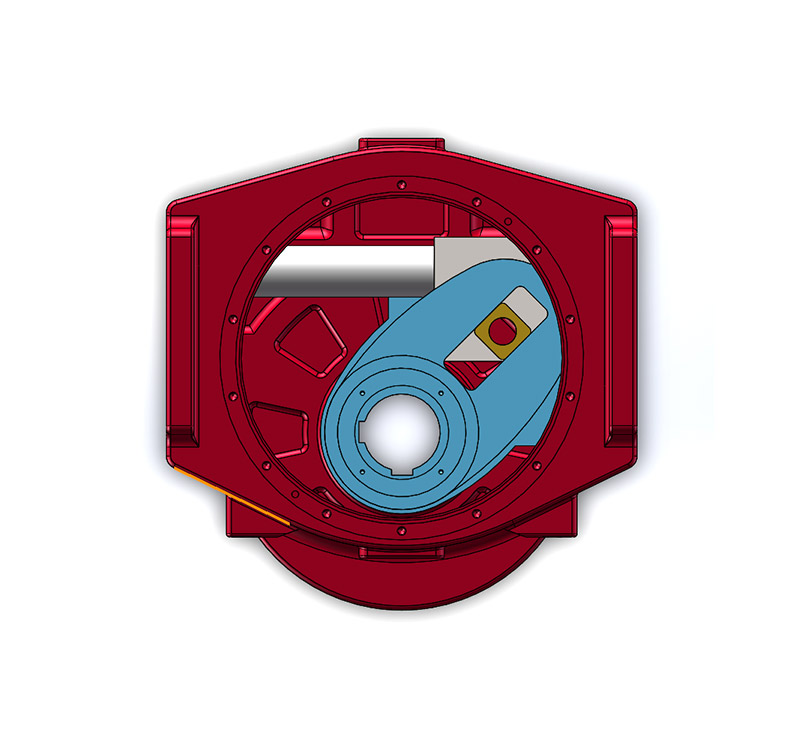
Bleeding air from an electro-hydraulic actuator is crucial for maintaining system efficiency. Air pockets can cause fluctuations in hydraulic pressure, leading to inconsistent actuator movement. Proper bleeding ensures smooth operation and extends the life of the actuator. Understanding the process is essential for maintenance personnel and engineers.
Tools and Materials Needed
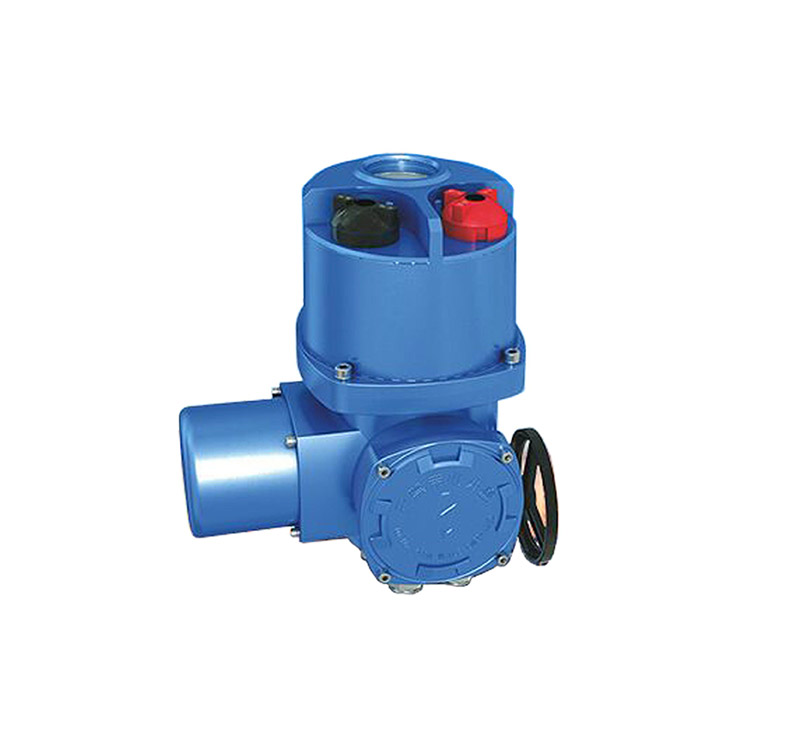
Before beginning the bleeding process, several tools and materials are required. A bleed screw or valve, a container to collect hydraulic fluid, and a wrench are typically needed. It is also advisable to have a clean cloth for wiping any spills. Having the right tools ensures the process is completed efficiently and safely.
Step-by-Step Guide to Bleeding Air
The process of bleeding air from an electro-hydraulic actuator involves several steps. First, the bleed screw or valve must be located. This is usually found at the top of the actuator. Next, the bleed screw is opened slightly to allow air to escape. The hydraulic fluid should be collected in a container to avoid mess and contamination.
Once the air has been released, the bleed screw is closed. The actuator should then be tested to ensure proper operation. If air pockets remain, the process may need to be repeated. It is important to follow the manufacturer’s instructions for specific models, as some may have additional steps or requirements.
Tips for Successful Bleeding
To ensure successful bleeding, several tips should be followed. First, work in a well-ventilated area to avoid inhaling hydraulic fumes. Second, ensure the actuator is in a stable position to prevent any accidents. Third, check the hydraulic fluid level before and after bleeding to ensure it is within the correct range.
Conclusão
Bleeding air from an electro-hydraulic actuator is a critical maintenance task that ensures optimal performance. By following the steps outlined in this guide, maintenance personnel can effectively remove air pockets and maintain system efficiency. Regular maintenance and proper bleeding techniques contribute to the longevity and reliability of electro-hydraulic actuators.
Keyword: electro-hydraulic actuator, bleed air, hydraulic system, maintenance, air pockets, hydraulic fluid, bleed screw, valve, wrench, container, clean cloth, well-ventilated area, stable position, hydraulic fumes, fluid level
Contacte-nos
Está interessado no nosso atuador? Contacte-nos a qualquer momento através de: E-mail: william@wxaccton.com. Aguardamos ansiosamente o seu contacto!
Produtos em destaque
Contacte-nos
Endereço: Sala 203-1, 2.º andar, Bloco A, n.º 9, Rua Xinqin, Distrito de Xinwu, Cidade de Wuxi, Província de Jiangsu, República Popular da China
Telemóvel: 0086-188-5271-7918
Email:william@wxaccton.com
Site: www.actuator-china.com