
Como posso detetar uma perda de pressão hidráulica neste atuador?
2026-06-17 Blog
Across process manufacturing and fluid control sites, unstable hydraulic pressure disrupts daily operational workflows. Even minor pressure drops trigger downtime for EPC projects and factory automated lines. Early detection cuts repair costs and avoids unplanned shutdowns for global industrial facility teams. This guide covers field-verified detection steps for on-site maintenance teams.
Visual External Inspection: Fast On-Site Actuator Pressure Screening
First, conduct a full exterior check before professional instrument testing. Meanwhile, check rod seals, pipe joints and port connectors for fluid residue. Then, confirm tank hydraulic fluid level matches factory rated scale standards. Next, observe fluid texture for foam or cloudiness linked to air ingress. Air mixing inside hydraulic lines steadily lowers working pressure during cyclic operation. This step needs no tools and finishes within five minutes for routine site checks.
Static Holding Test: Verify Internal Pressure Decay of the Actuator
This standardized test confirms hidden pressure loss inside sealed hydraulic components. First, extend the piston rod to a fixed mid-travel working position. Then raise chamber pressure to the equipment’s rated operating value. After that, close inlet control valves to lock internal fluid volume. Track precision gauge readings for 5 to 10 minutes under static load. Slow, continuous pressure drop proves internal seal wear or fluid bypass. This method fits heavy-load sites in metallurgy, petrochemical and pulp manufacturing plants.
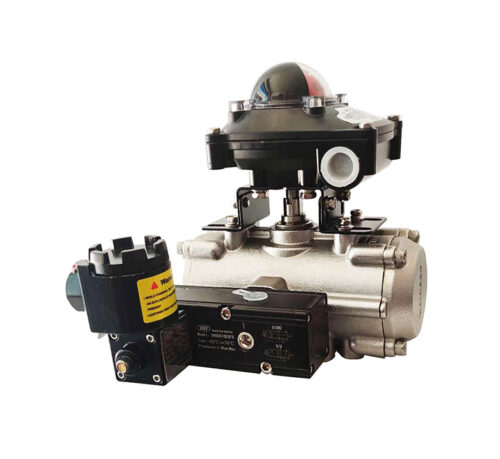
Loaded Operational Testing: Match Pressure Output to Field Working Demand
Static tests miss pressure loss that only appears under actual field load. Therefore, run the unit under standard production workload onsite. Record real-time pressure values during full-stroke reciprocating movement. Compare collected data to original factory performance benchmark figures. Notice delayed movement or uneven stroke speed alongside pressure fluctuation. These signs confirm functional pressure loss instead of temporary system fluctuation. This test helps procurement teams validate refurbished hydraulic component quality.
Auxiliary Tool Diagnosis: Locate Hard-to-Find Pressure Loss Points
For complex pipeline layouts, use portable industrial diagnostic tools for deep checks. Use ultrasonic detectors to capture faint flow noise from internal fluid leakage. Apply contact thermometers to check temperature rise around piston assemblies. Worn internal parts generate extra heat while causing steady pressure waste. Also calibrate system pressure gauges to rule out reading errors beforehand. Wrong gauge data often leads to false pressure fault judgments on industrial production lines.
Core Root Causes Linked to Detected Hydraulic Pressure Loss
Most detected pressure issues stem from three common field faults. Worn polyurethane seals allow cross-chamber fluid flow inside hydraulic structures. Contaminated hydraulic oil scratches inner cylinder walls during repeated cycles. Loose fitting connections let external air enter closed hydraulic loops. Site teams can prioritize part replacement based on targeted detection results.
Conclusion: Optimize Maintenance Cycles via Regular Pressure Detection
Structured detection combines visual checks, static tests and loaded monitoring for reliable results. Regular pressure assessment extends component service life for long-term industrial projects. For supply chain and facility management teams, scheduled detection lowers long-term spare part budgets. It also stabilizes fluid control efficiency for continuous chemical and mechanical production lines. Adopt this detection workflow to minimize hydraulic system failure risks year-round.
Produtos em destaque
Contacte-nos
Endereço: Sala 203-1, 2.º andar, Bloco A, n.º 9, Rua Xinqin, Distrito de Xinwu, Cidade de Wuxi, Província de Jiangsu, República Popular da China
Telemóvel: 0086-188-5271-7918
Email:william@wxaccton.com
Site: www.actuator-china.com