
Can a partial stroke test be performed on a Scotch Yoke actuator?
2026-06-25 Blog
Scotch Yoke actuators are widely used in industrial applications due to their unique design. They convert rotational motion into linear motion, making them ideal for various automation tasks. Before performing any maintenance, it is essential to understand their operational mechanics. This knowledge helps in determining the feasibility of partial stroke testing. The actuator’s structure, which includes a yoke and a rotating shaft, plays a crucial role in its performance. Proper assessment ensures safety and efficiency in industrial operations.
Importance of Partial Stroke Testing
Partial stroke testing is a preventive maintenance technique. It allows for the inspection of actuator functionality without full operation. This method saves time and reduces wear on components. In industries like oil and gas, chemical processing, and water treatment, such tests are invaluable. They help identify potential issues before they escalate. Regular testing also extends the lifespan of the equipment. This approach aligns with best practices in industrial maintenance.
Can a Partial Stroke Test Be Performed?
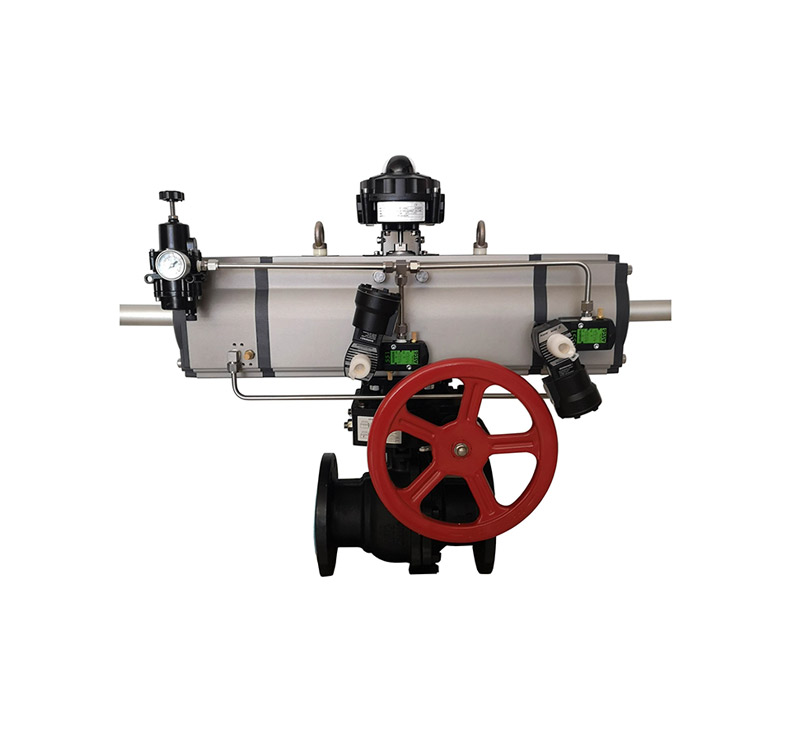
Yes, a partial stroke test can be performed on a Scotch Yoke actuator. The design of these actuators allows for partial rotation without compromising safety. This feature makes them suitable for partial stroke testing. However, specific procedures must be followed. The testing should be conducted under controlled conditions. Proper documentation is also necessary to ensure compliance with industry standards. These steps guarantee accurate results and operational reliability.
Benefits of Partial Stroke Testing
There are several advantages to partial stroke testing. First, it reduces downtime by identifying issues early. Second, it minimizes maintenance costs. Third, it enhances safety by preventing catastrophic failures. In industries where equipment failure can be costly, this testing is particularly beneficial. It also ensures continuous operation, which is critical for productivity. These benefits make it a preferred choice for many industrial applications.
Considerations for Implementation
When implementing partial stroke testing, several factors must be considered. The actuator’s specifications should be reviewed. The testing environment must be safe and controlled. Additionally, the equipment used for testing must be calibrated correctly. Compliance with industry regulations is also essential. By addressing these considerations, industries can maximize the effectiveness of partial stroke testing. This approach ensures optimal performance and longevity of Scotch Yoke actuators.
Conclusão
Partial stroke testing is a valuable tool for maintaining Scotch Yoke actuators. It offers numerous benefits, including early issue detection and reduced downtime. When performed correctly, it enhances operational efficiency and safety. Industries across various sectors, such as oil, chemical, and water treatment, can leverage this technique. By following proper procedures and considerations, businesses can ensure the reliability of their actuator systems. This proactive approach contributes to overall industrial success and sustainability.
Produtos em destaque
Contacte-nos
Endereço: Sala 203-1, 2.º andar, Bloco A, n.º 9, Rua Xinqin, Distrito de Xinwu, Cidade de Wuxi, Província de Jiangsu, República Popular da China
Telemóvel: 0086-188-5271-7918
Email:william@wxaccton.com
Site: www.actuator-china.com